Quick answer: the average rent in Thailand in 2026 is about $550–700 a month (20,000–25,000 THB) for a 1-bedroom apartment — from $350 in Chiang Mai to $1,200 in central Bangkok and $1,500 in Phuket’s beach areas. A 2–3-bedroom house or villa averages $700–4,000. Below — the full breakdown behind those numbers.
How much does it really cost to rent in Thailand? The answer depends heavily on the city, the area, and the season: a studio in Chiang Mai and a beachfront villa on Phuket during high season are two different financial worlds. This guide covers rental prices across three key regions, a breakdown by property type, how seasonality moves the numbers, and when it makes more sense to buy instead of rent.
Contents
1. How much rent costs on average
Rental prices in Thailand range from $350 to $4000+ a month, and that’s no exaggeration — the difference comes down to city, property type, and distance from the beach or downtown. Country-wide benchmarks:
- studio/1BR — $350–1500/mo;
- house or villa, 2–3 bedrooms — $700–4000/mo;
- premium beachfront villa (Phuket) — from $3000/mo and up.
For anyone planning a broader relocation rather than just housing, see the full budget breakdown in cost of living in Thailand — rent there is just one line item among several.
🔗 Looking for a long-term rental? Ranges by area, seasons, contract basics and an enquiry passed to vetted partners: Long-term rent in Phuket →
2. Rent by city
Three key regions produce three different rental pricing models:
| City | Studio/1BR | Villa/house 2–3BR | In THB (1BR) |
|---|---|---|---|
| Bangkok (downtown) | $700–1200/mo | $1200–2500/mo | ~25,000–43,000 |
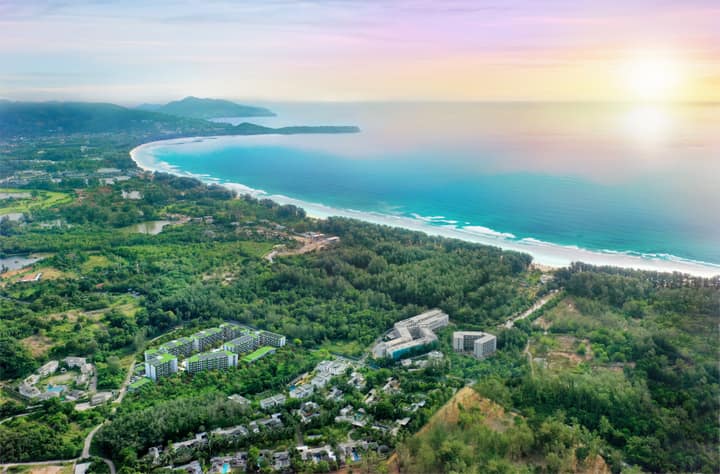
| Phuket (Layan/Bang Tao) | $600–1500/mo | $1500–4000/mo | ~21,500–54,000 |
| Chiang Mai | $350–600/mo | $700–1400/mo | ~12,500–21,500 |
Chiang Mai is the most affordable option across every property type. Bangkok and Phuket sit close at the top end, but for different reasons: in Bangkok it’s the downtown core near BTS/MRT lines that costs the most; on Phuket it’s beachfront and prestige areas like Layan and Bang Tao, where shops, schools, and clinics are within walking distance.
Pattaya and Koh Samui typically land between Chiang Mai and Phuket for studios, but a premium beachfront villa on any resort island can cost just as much as on Phuket — price is driven mostly by distance to the beach, not the region itself.
3. Rent by property type
On Phuket, the spread by property type is especially visible:
| Property type | Range/mo | Comment |
|---|---|---|
| Studio (away from the beach) | $500–800 | Minimum island budget |
| Studio/1BR near infrastructure (Layan–Bang Tao) | $700–1500 | Walking distance to the beach, shops, schools |
| 2BR villa | $1200–2200 | Standard for a couple or small family |
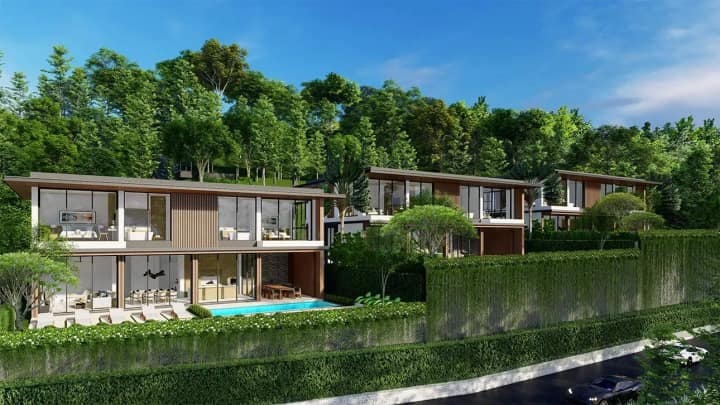
| 3BR+ villa with a pool | $2000–4000+ | Premium segment, often beachfront |
A condo in a complex with shared amenities (pools, gym, reception) usually costs more than a standalone studio of the same size, but it saves on transport and leisure — worth weighing against the “rent” line alone.
4. Seasonality: high vs low season
Rent in Thailand reacts to the tourist calendar more sharply than most people expect going in:
- high season (November–April) — on Phuket and in Bangkok’s tourist districts, short-term and nightly rates climb 20–40% or more, especially during the December–January peak;
- low season (May–October) — short-term prices drop, and landlords are more willing to discount for longer stays;
- long-term contracts (6–12 months) — usually lock in a rate for the full period and smooth out seasonal swings, which suits anyone living in Thailand year-round.
For a deeper look at seasons and occupancy from the investor’s side, see rental seasons and occupancy on Phuket.
5. Long-term vs short-term rental
The rental format you choose directly changes the monthly bill:
- nightly/short-term — flexible, but the per-night rate is noticeably higher once converted to a monthly figure, especially in season;
- long-term (6+ months) — a lower rate, often 20–30% cheaper than the short-term equivalent, but requires a deposit and a contract;
- annual rental — the lowest rate per m², typical for residents and families.
Anyone choosing between renting their own property short-term or long-term (from the investor’s side) will find the same logic in short-term vs long-term rental on Phuket — a longer commitment lowers the price per night/month in exchange for flexibility.
6. Deposit, utilities, and hidden fees
Beyond the headline rate, a rental budget should include:
- deposit — usually 1–2 months’ rent, refunded on move-out minus documented damage;
- first month upfront — a standard condition in nearly every contract;
- utilities — electricity (air conditioning is the biggest variable), water, internet; in some villas and condos utilities aren’t included and are billed separately by meter;
- furniture/appliance deposit — sometimes a separate line item on furnished rentals.
A full breakdown of utilities and other budget items is in the general guide cost of living on Phuket.
7. How to lower rental costs
A few practical ways to cut the rental budget without losing quality of life:
- switch to a long-term contract instead of nightly bookings — a 20–30% saving on a monthly basis;
- rent outside the December–January peak, when even long-term rates rise with demand;
- pick an area with ready infrastructure — Layan and Bang Tao cut transport costs thanks to walkable shops, schools, and clinics, partly offsetting a higher rental rate;
- compare several listings directly rather than relying on one platform — comparable units can differ by 15–20%.
8. When renting costs more than buying
Renting isn’t the only way to solve housing on Phuket. If your time horizon in Thailand exceeds 5–7 years, it’s worth comparing rent against buying on an installment plan:
- construction-period installments are often comparable in total to rent payments over the same period, but at the end you own the asset instead of continuing to pay;
- after handover, the unit can go into a rental pool: the owner receives 60% of net pool profit, a benchmark of ~8–10% net annual yield with a ~12-year payback;
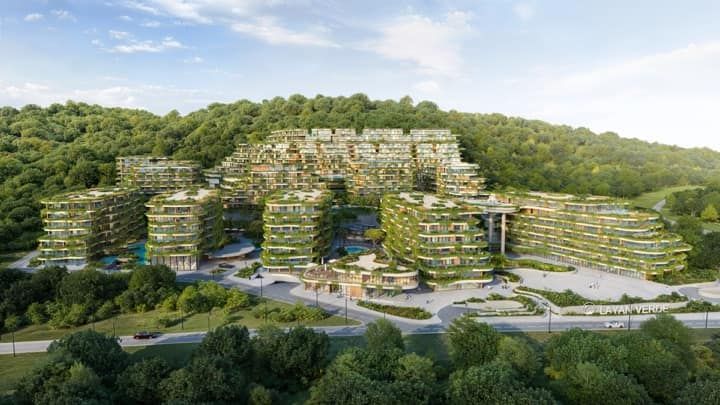
- Layan Verde offers 774 residences on 7.5 ha, 700 m from Layan beach, starting at $235,995, delivery in 2028;
- Layan Green Park, Phuket’s first eco condo-hotel with EDGE certification (up to 40% savings on utilities), 2 minutes from Layan beach — phase 1 (248 units) sold out through the developer before completion, prices rose ~100%, one resale unit remains; phase 2 (296 units, delivery 2026) — studios from 36.7 m² from 7,424,784 THB ($224,043).
Run the exact “rent vs own” math for your scenario and budget in the yield calculator. If buying wins, the process from ownership route to money transfer is in how foreigners buy a home in Thailand.
9. Pitfalls
- Comparing a nightly rate to a long-term rate without converting. The per-night price in high season almost always distorts the monthly picture.
- Not budgeting for the deposit and utilities in month one. The real upfront amount runs 1.5–2 months’ rent above the advertised rate.
- Anchoring to low-season prices year-round. If you’ll be living there during December–January, budget for a 20–40% rate increase.
- Ignoring distance from infrastructure. Cheap rent far from shops and schools is often eaten up by transport costs.
- Forgetting the alternative — buying. Over a long ownership horizon, renting eventually costs more than installments on an asset with potential rental income.
10. Case study and takeaway
A couple relocating to Phuket for the long term started by renting a 2BR villa near the beach nightly for the first two months — about $3200/mo during high season. After switching to an annual contract in the same area, the rate dropped to $1800/mo — a savings of over 40%. Later, realizing they planned to stay on the island for at least 6–7 years, they looked at installments on a studio in a project under construction near Layan: the monthly installment payment turned out comparable to rent, but once construction finished the asset became theirs and could generate income during trips away.
Takeaway: rent in Thailand isn’t one number — it’s a function of city, property type, season, and contract length. A long-term agreement and the right area save tens of percent, and past a 5–7-year horizon it’s worth comparing rent against buying on an installment plan — especially near the beach, where the cost of renting and the cost of owning converge fastest.
I’ll help you find rental options within your budget or run the numbers on what makes more sense for you — renting or buying on installments — leave a request or check out the Layan Real Estate page.
This material is for informational purposes. Rental prices are approximate ranges for 2026; actual rates depend on the area, season, and negotiation with the landlord — this is not financial advice.