Surin and Layan are two neighbouring areas on Phuket’s west, but with different characters and investment profiles. Surin is a status premium beach associated with villas and a high entry. Layan is a quiet clean shore with a balance of price, infrastructure and growth potential. Let’s compare both areas by parameter to choose for your goal and budget.
Contents
1. Two neighbouring areas
Surin and Layan sit next to each other on the west coast but differ in character:
- Surin — a compact premium beach south of Bang Tao, a status location with villas.
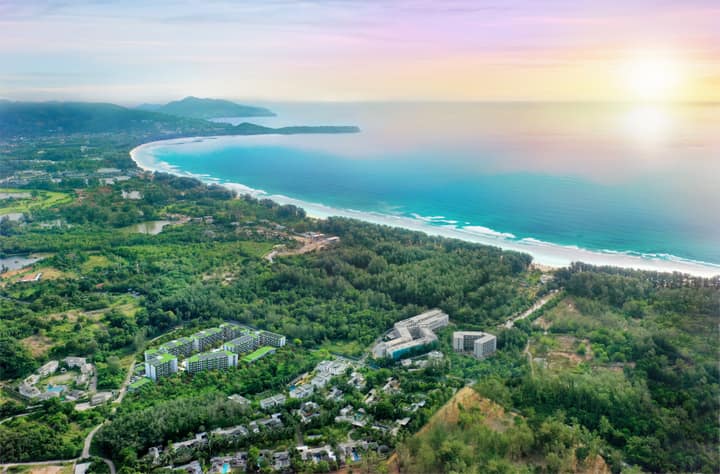
- Layan — a quiet green area between Bang Tao and Nai Thon, one of the cleanest beaches.
Both belong to the premium part of the west, but differently: Surin is “expensive status”, Layan is “quiet premium with potential”.
Geography adds a nuance that is often missed: the two areas are only a 15–20-minute drive apart, and both “hang” off the same Bang Tao infrastructure — 5–10 minutes from either. So choosing between Surin and Layan is not a choice between “convenient” and “inconvenient”, but between two characters of shoreline with an almost identical set of services. That’s exactly why they need to be compared on entry price, audience and potential, not on “distance from civilisation”.
🔗 Basics: Best west-coast beaches → · All areas for investment →
2. Beaches and atmosphere
- Surin — a pretty compact cove, beach clubs, a status setting. A premium, “social” atmosphere.
- Layan — one of the island’s cleanest, calmest beaches, soft sand, greenery, seclusion. A quiet, natural atmosphere.
If you value status and “seaside life on display” — Surin is closer. If quiet, a clean shore and privacy — Layan.
The difference shows even in the rhythm of the day. Surin wakes up to a late breakfast at the beach clubs and lives on until evening cocktails: it’s a shore people come to in order to be seen and to spend the day in style. Layan is the opposite: a long strip of sand by the lagoon, pines and casuarinas instead of rows of sunbeds, one of the island’s best sunsets, and guests who choose this bay precisely for the absence of crowds. For an investor this isn’t lyricism but audience segmentation: the Surin guest pays for the setting and status, the Layan guest for quiet and nature. Both segments have money, but they react to seasonality differently and book differently.
🔗 Area profiles: Surin guide → · Layan guide →
3. Entry price
The key difference is the entry threshold:
- Surin — traditionally pricier: little land, dense premium development, a status location. High entry.
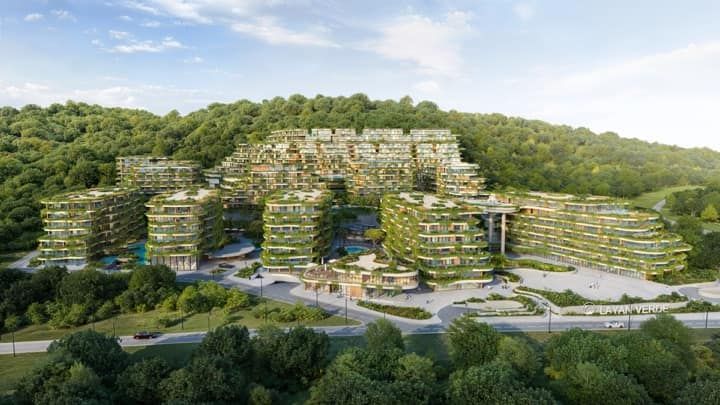
- Layan — more accessible at high beach quality. New projects with installments: e.g. Layan Verde from $235,995 (unit B4-319, leasehold).
For an investor focused on a price-quality balance, Layan is often better: lower entry, developer installments, growth potential.
A telling benchmark from our selection practice: a villa in Surin can cost almost twice as much as a comparable-class unit in a Layan project under construction — the difference goes on the address and status, not on square metres or finishes. The second detail is the payment structure. In Surin the market is mostly established and resale: the seller expects the full amount. In Layan new projects are sold during construction with payments split up to completion, which reduces the load on capital and lets you keep part of the budget working. Finally, Layan also has a completed segment: in the operating Layan Green Park, phase 1 resales start from studios at $142,602 — entry into the area is possible with a smaller ticket than the flagship new-builds.
4. Audience and rental
- Surin — premium segment: status guests, villas, a high ticket. A narrower but high-paying audience.
- Layan — broad demand: a clean beach, quiet and Bang Tao infrastructure nearby attract both premium guests and families.
In a managed project with a rental pool, in both areas the owner targets a net yield of ~8–10% (owner takes 60% of the pool’s net profit). The difference is in segment and demand stability.
The mechanics of the rental pool deserve a paragraph of their own, because they are what determines how predictable the income is. Units of the same type are combined into a pool: the income of the whole pool is split between owners pro rata, so a specific unit’s vacant days don’t wipe out its month — the smoothing works in the owner’s favour. The management company takes 40% of the net profit and handles marketing, check-in and service. Typical payback under this arrangement is around 12 years. In Surin, by contrast, the individual villa-rental model dominates: the ticket is higher, but so is the volatility — income depends heavily on the season, the manager and the specific property. We break down seasonal occupancy swings for both models in a separate article.
5. Infrastructure and logistics
- Surin — Bang Tao nearby, access to infrastructure, but the area itself is dense and premium.
- Layan — neighbours Bang Tao (Boat Avenue, schools, clinics) and is closer to the airport (~20 minutes).
Both areas draw on Bang Tao’s mature infrastructure. Layan also combines quiet with airport proximity, handy for both living and hosting rental guests.
Laid out in minutes, the picture is this: from Layan — about 20 minutes to the airport and 5–10 minutes to Boat Avenue and Porto de Phuket with their supermarkets and restaurants. From Surin — 25–35 minutes to the airport depending on traffic, 5–10 minutes to the same Bang Tao and 20–25 minutes to Patong. The international schools UWC Thailand and HeadStart in Cherng Talay are 15–20 minutes from either area, Bangkok Hospital Phuket around 25 minutes. Bottom line: on services the areas are almost equal, while on transfers north-side Layan wins — for rental guests with suitcases and owners who fly often, that’s a noticeable difference.
6. Growth potential
- Surin — an established premium market: high entry, fewer “fresh” projects, limited growth headroom.
- Layan — actively developing: new beachfront projects, seaside land scarcity, rising demand. Growth potential is more pronounced.
For an “entry with growth potential” strategy, Layan with new off-plan projects is often more promising than established Surin.
Specifics on Layan: the area’s flagship is Layan Verde, 774 residences on 7.5 ha, 700 metres from the beach, completing in 2028; the developer forecasts capital appreciation over the construction period of around +45% (to stress: that is a forecast, not a guarantee). The argument for demand being realistic is the cycle already completed by neighbouring Layan Green Park: phase 1, with 248 units, was fully sold out by the developer and has been operating since 2024, as covered in the phase 1 case study. In Surin such “enter at launch — grow by completion” stories are physically almost impossible: there’s no free land for large projects, so price growth there is slow and “second-hand”, driven by the general appreciation of the premium segment.
7. Villas or managed apartments
Behind the “Surin or Layan” choice there is often another, more practical question — the asset format:
- Surin is a villa market. Premium residences with a private pool, a high purchase and rental ticket, individual management. The owner gets a status asset but handles occupancy, service and maintenance themselves (or through a manager). A selection of such properties: luxury villas.
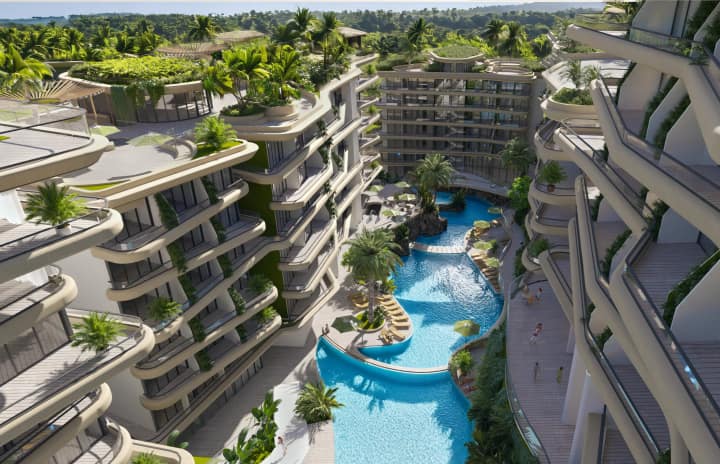
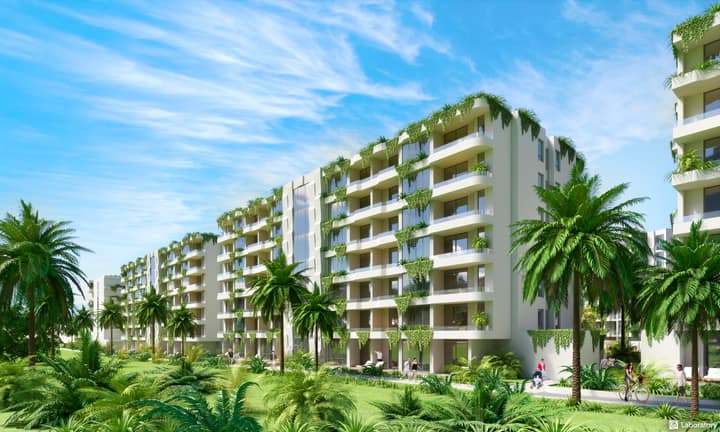
- Layan is a managed-apartments market. Condo-hotels with a professional operator, a rental pool and clear reporting: the owner doesn’t deal with operations at all. Current projects in the area are in the Layan selection.
The ownership form differs in practice too: villas are more often held via a land leasehold or a Thai company, while condominium apartments are available both in freehold within the foreign quota and in leasehold — which affects the price, the circle of future buyers and how easy resale is. If your priority is passive income and minimal involvement, Layan’s managed-apartment format is the more practical one. If what you need is precisely “your own home by the sea” with full privacy — that’s a villa, and then Surin is on the shortlist.
🔗 Format breakdown: A villa with a private pool: is it worth it → · Condo vs villa →
8. Who each area suits
Four typical buyer profiles — and where each usually ends up:
| Profile | Priority | Where to look |
|---|---|---|
| “Income + growth” investor | Low entry, installments, potential | Layan, off-plan at launch |
| Status-villa buyer | Address, privacy, “own home” | Surin, resale villa market |
| “Live and let” family | Schools, quiet, rental between visits | Layan (Bang Tao infrastructure nearby) |
| “Income from month one” rentier | A completed unit in an operating project | Layan, Layan Green Park resales |
Tellingly, three profiles out of four lead to Layan — not because Surin is “worse”, but because the tasks of income and price balance are solved precisely by a growing area with managed projects. Surin wins where emotion and status decide: it’s a purchase at the level of “the best address on the coast”, and in its niche it is beyond competition.
9. Comparison table
| Parameter | Surin | Layan |
|---|---|---|
| Character | Premium status, villas | Quiet premium, nature |
| Beach | Compact cove, clubs | Clean, calm |
| Entry price | High | More accessible, installments |
| Audience | Premium, narrow | Broad (premium + families) |
| Infrastructure | Bang Tao nearby | Bang Tao nearby, closer to airport |
| Asset format | Villas, individual rental | Managed apartments, rental pool |
| Airport | 25–35 minutes | ~20 minutes |
| Growth potential | Limited | Pronounced |
| Yield (pool) | ~8–10% net | ~8–10% net |
10. Pitfalls
- Overpaying for status without calculating. Surin’s entry is higher — count yield, not just prestige.
- Ignoring growth potential. Surin’s established market gives less appreciation than developing Layan.
- Judging by the beach alone. Logistics, infrastructure and audience matter as much as the cove’s “beauty”.
- Forgetting installments. Layan’s new projects offer installments and low entry — Surin usually doesn’t.
- Comparing without a goal. “Better” is for your task: status now (Surin) or balance and growth (Layan).
- Underestimating a villa’s operations. Individually renting out a premium villa means a manager, staff, pool and garden maintenance: costs and involvement are higher than in a condo-hotel pool.
- Buying off-plan without checking the developer. Layan’s growth potential only works with a reliable developer: look at the history of completed phases and the pace of construction — the method is in how to choose a developer.
11. Decision checklist
Five steps to turn a comparison into a decision:
- Name your goal in one word: income, growth, status or living. That immediately cuts off half the options.
- Fix a budget with a buffer for transaction costs — transfer taxes and fees, furniture packages, legal checks.
- Choose the format: a villa with individual rental or apartments with a pool — this determines both the area and your involvement.
- Ask for real numbers on 2–3 specific properties: price list, installment terms, occupancy reports for comparable units.
- Carry out due diligence on the chosen property before paying a deposit — a clean title and contract matter more than the speed of the deal.
If after these steps both areas still “appeal equally” — that almost always means the goal is not clearly formulated. Go back to step 1: Surin and Layan solve different tasks.
12. Case: choosing an area
Consider a typical scenario. An investor chose between Surin and Layan for rental with occasional visits. Surin attracted with status but demanded a high entry without installments, and its market was already established. Layan offered the balance: a clean beach and quiet, Bang Tao infrastructure minutes away, the airport ~20, a new project with installments from $235,995 and growth potential. They chose Layan as the optimum of entry price, ~8–10% net yield and value growth.
The mirror scenario happens too: a family with a large budget was looking specifically for a villa to live in — a status address, privacy, their own garden. They deliberately chose Surin, and placed the investment part of the budget separately — in Layan apartments with a rental pool. This “home in Surin + income in Layan” split uses the strengths of both areas instead of compromising within one.
Takeaway: Surin is premium status with a high entry and limited growth; Layan is quiet premium with a balance of price, infrastructure and potential. For entry with installments, yield and growth, Layan often wins.
I’ll help compare areas for your goal and budget and select a specific project with a yield calculation.
Choosing an area — Surin or Layan
By submitting this form you agree to the privacy policy.