Phuket and Koh Samui are Thailand’s two most recognisable resort islands, and both regularly make a property buyer’s shortlist. At first glance the logic looks similar: tropics, tourist flow, rental income. In practice the two markets are built very differently — from how you even get to the island to how yield gets calculated. Here’s a side-by-side breakdown so you can choose based on your strategy, not a random recommendation.
Contents
1. Two islands, two logics
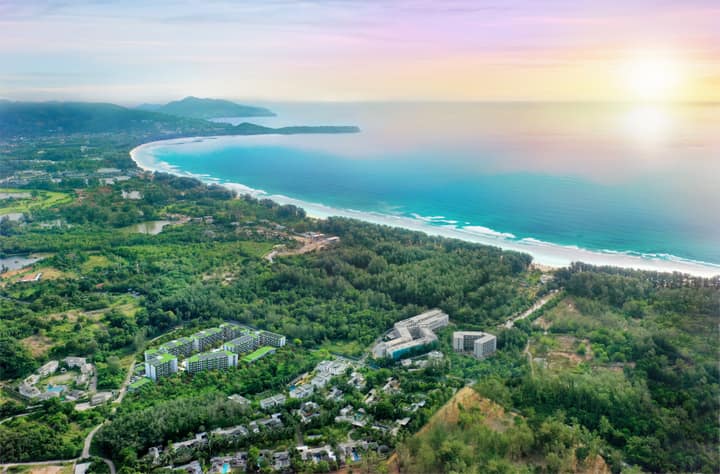
- Phuket. Thailand’s largest resort property market: over 37,000 units of inventory, a developed condo-hotel segment with rental pools, an international airport, and established locations such as Layan and Bang Tao. For a full breakdown, see the Phuket market in 2026.
- Koh Samui. A smaller, younger market dominated by villas: hilly terrain and historical zoning limited high-rise construction, so there are far fewer condominiums than on Phuket. The airport is the logistics bottleneck (more on that below).
Both islands serve the same “sea plus tropics” tourist flow, but different infrastructure maturity translates into very different ownership economics.
2. Flights and logistics
This is the first thing an investor should look at, because logistics shape tourist flow, the cost of shipping construction materials, and ultimate liquidity.
- Phuket (HKT) — an international airport with direct flights from Europe, China, Russia, India and the Middle East, dozens of destinations. High throughput keeps tourist flow stable even in the off-season.
- Koh Samui (USM) — the airport is privately owned by Bangkok Airways, slots and flight numbers are limited, and tickets cost more on average than to Phuket. The alternative is a ferry from the mainland via Surat Thani or Don Sak, which adds hours to the trip.
For an owner this matters directly: on Phuket, cheaper flights mean higher short-term rental turnover; on Samui, the narrower transport bottleneck constrains tourist volume and, with it, potential occupancy.
3. Entry price
| Parameter | Phuket | Koh Samui |
|---|---|---|
| Dominant format | Condo-hotels and villas | Villas (condos are a smaller market share) |
| Typical entry (condo) | From ~$150–230k with installments | Limited quota-compliant condo choice, often pricier per sqm near the beach |
| Typical entry (villa) | Wide range, including projects with a management company | Higher in popular areas — logistics raise material costs |
| Developer installments | Standard (35%+35%+30% and similar schemes) | Less common, more variable |
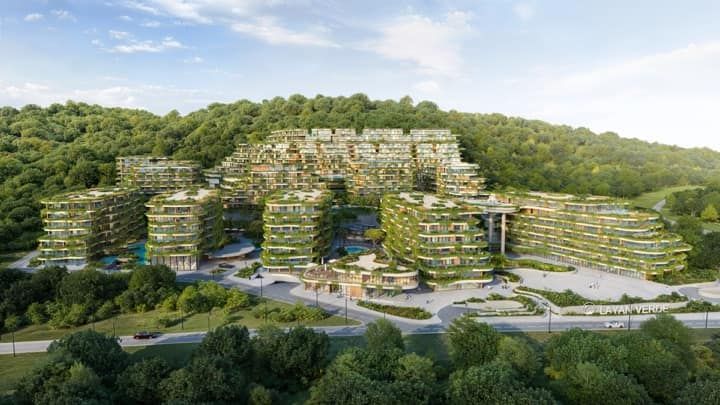
For example, Layan Verde on Phuket offers premium studios from 36.2 sqm starting at $235,995, while Layan Green Park is an eco condo-hotel with installments during construction and post-handover. On Samui, comparable large-scale, installment-based supply is scarcer: the market is made up more of individual villas with bespoke deal terms rather than large projects with a standard financial model.
4. Yield and management model
- Phuket. The flagship model is a rental pool: identical unit types are pooled, and owners receive 60% of net profit, with the management company taking 40%. The benchmark for completed properties is ~8–10% net a year, with payback around 12 years. See the methodology in how to calculate ROI.
- Koh Samui. Large public rental pools are rare; management is usually individual, through a local operator or directly. Yield during peak months can be high, but it’s more volatile — it depends heavily on the season, the property’s condition and the quality of the manager rather than a transparent pool formula.
The difference is structural: on Phuket, income is primarily a system (pool, reporting, management company); on Samui it’s more often a specific property and a specific manager.
5. Ownership structure
The legal framework in Thailand is identical for both islands: a foreigner can own a condominium as freehold within the 49%-of-floor-area quota, while land under a villa is only accessible through leasehold or permitted structures. See freehold vs leasehold for details.
The difference isn’t in the law — it’s in the supply:
- Phuket has more condo projects that meet the 49% quota, giving buyers a wider choice of freehold options near the sea.
- Samui simply has fewer condos, so freehold supply near the beach is noticeably narrower, and the typical deal is a villa on leasehold land or through an ownership structure that requires more careful legal review.
6. Tourist flow and seasonality
Both islands live on tourism, but their demand sources are distributed differently. Phuket receives more mass charter and regular international flights, which smooths out seasonal dips. Samui has historically leaned toward the mid-to-high-spend European traveller, with a notable wellness and boutique segment — but with a narrower transport channel, this makes its flow more sensitive to any disruption in flights or ferries.
For an owner this means: on Phuket it’s easier to forecast year-round occupancy; on Samui there’s a higher dependence on peak season and the reputation of the specific property.
7. Infrastructure and quality of life
Phuket has more mature infrastructure: international schools, hospitals, malls, and established expat areas such as Layan and Bang Tao — see the detailed guide where to stay in Phuket. Samui is more compact and more “island” in spirit: less large-scale infrastructure, but also lower building density and calmer traffic.
For an investor planning to live in the property part of the year, not just rent it out, this matters: Phuket suits those who value schools, healthcare and a wide range of services; Samui suits those looking for a more intimate seaside lifestyle.
8. Comparison table
| Parameter | Phuket | Koh Samui |
|---|---|---|
| Airport | International, dozens of destinations | Private (Bangkok Airways), limited slots |
| Alternative access | Not needed | Ferry from the mainland |
| Dominant format | Condo-hotels + villas | Villas |
| Income model | Rental pool, ~8–10% net | Individual management, higher volatility |
| Ownership structure | Freehold quota + leasehold, wide choice | Freehold near the sea — narrow choice, more often leasehold |
| Liquidity | Higher, developed secondary market | Lower, depends on the specific property |
| Infrastructure | Mature (schools, hospitals, retail) | Compact, intimate |
9. Pitfalls
- Comparing islands on price per sqm alone. Logistics (ferry vs international airport) change both construction costs and ultimate liquidity — factor in both together.
- Buying a villa on Samui without checking the leasehold structure. Land under a villa isn’t always directly accessible to a foreigner — the contract and ownership scheme need legal review.
- Expecting pool-level yield while self-managing a villa. Without a rental-pool system, income depends on a specific manager, not a transparent 60/40 formula.
- Underestimating Samui’s airport constraint. Fewer slots mean higher flight prices and greater sensitivity of tourist flow to any schedule disruption.
- Ignoring exit liquidity. Samui’s smaller market means fewer buyers on resale — plan for a longer exit horizon.
10. Case study: choosing between the islands
An investor with a budget of around $230,000 was weighing a villa on Samui against a studio in a condo-hotel on Phuket. The Samui villa was appealing on price and looks, but due diligence found the land was leasehold with a limited term, management ran only through a local operator with no transparent reporting, and flights for future European tenants at peak season cost noticeably more than direct flights to Phuket. The studio near Layan Beach, in the freehold quota with a working rental pool, offered a clear income model (~8–10% net) and a wider pool of potential tenants thanks to the international airport. The investor chose Phuket — not because Samui is “worse,” but because their goal (steady passive income rather than a one-off lifestyle asset) was better served by Phuket’s mature infrastructure.
Bottom line: Phuket and Samui aren’t head-to-head competitors — they’re different tools. Phuket wins for an investor who wants a transparent income system, liquidity and developed infrastructure. Samui can suit those seeking an intimate lifestyle asset who are willing to accept logistical constraints and a less developed rental market.
I can help compare specific Phuket properties for your budget and goal, with a yield calculation in the ROI calculator — or let’s discuss strategy through Layan Real Estate.
Find the right fit for your strategy
By submitting the form, you agree to the privacy policy.