A long-term villa in Phuket means your own garden, pool and quiet — and a different budget: on top of the rent come electricity for air conditioning in every room and the pool pump, garden and water upkeep, estate security rules. This page covers what sets villa rental apart from condo rental; the market mechanics, seasons and the lease in general are on the long-term rental in Phuket page.
Our catalog lists 199 villa projects with a rental program, 90 of them in Layan and Bang Tao. We pass villa rental requests to partners — estate management companies and rental agencies; we do not run rentals ourselves and charge the tenant no commission.
Author: Artem Bukhkalov, Layan Real Estate · Ranges are guide figures from open data and partner experience, snapshot October 2026.
Monthly rent on a 6–12 month lease. A seasonal 1–3 month contract in winter costs more; low season is the time to negotiate.
| Area / villa type | Rent per month | Comment |
|---|---|---|
| Phuket, 2BR villa | $1,200–2,200 | The standard for a couple or a small family |
| Phuket, 3BR+ villa with pool | $2,000–4,000+ | Premium segment, often beachfront |
| Layan – Bang Tao, villa or house 2–3BR | $1,500–4,000 | Laguna and beachfront at the top; 90 villa projects in the catalog |
| Kamala / Surin, villas | on request from partners | 7 villa projects with a rental program in the catalog |
| Rawai / Nai Harn, villas | on request from partners | 23 villa projects with a rental program in the catalog |
| Chalong, villas | on request from partners | 12 villa projects with a rental program in the catalog |
| Patong / Kata / Karon, villas | on request from partners | 7 villa projects with a rental program in the catalog |
Reference points as of October 2026 from the layanre.com article on renting in Thailand; leases are signed in baht at the Bank of Thailand rate. Add electricity on top: for a villa with pool it is $150–350 a month at the state tariff, and noticeably more at a landlord rate of 7–10 THB per kWh.
Villas react to the season more than condos: in winter they are taken for 1–3 months by winter residents and families on holiday, and an owner will prefer a high-rate seasonal contract to an annual one. The tenant’s best chance of good terms is a 12-month lease starting between April and October. Seasons in detail are on the long-term rental page and in our rental seasons article.
| November – March/April | Seasonal demand for 1–3 months, peaking December–February | Seasonal rate 20–40% and more above the annual one; fewer villas available |
| April and November | Transition months; villas free up after winter residents leave | Owners are open to discussing an annual lease |
| May – October | Relocating families, school-year moves (July–August) | Best moment to negotiate a long term; the rains are a chance to check the roof and drainage |
Air conditioning in every room plus the pool pump — a bill of $150–350 a month at the PEA state tariff (4–5 THB per kWh); at a landlord rate of 7–10 THB it grows one and a half to two times. The rate goes into the lease as a number, the meter reading into the hand-over report and photos.
Pool and garden upkeep is a separate line: who arranges and pays for it, how often the gardener comes, whether pool chemicals are included. Irrigation and topping up the pool add a moderate but visible amount to the water bill.
Separate in the lease minor repairs (the tenant’s) from engineering breakdowns — air conditioners, pump, water heater (the owner’s). Name the contact who responds and within what time.
Gated estates run on the management company’s rules: security, passes, guests, pets, noise. Ask for the house rules before signing — some restrictions matter more than the rate.
The standard is a 6- or 12-month lease, with a deposit of, as a rule, 1–2 months’ rent plus the first month. A furnished villa sometimes carries a separate deposit for furniture and appliances — its terms go in writing too.
30–60 days’ notice and what happens to the deposit on an early move-out are agreed up front; seasonal 1–3 month contracts usually allow no refund on exit.
Layan Real Estate is a sales agency and does not run rentals itself: we pass the request to partners, and the tenant signs the lease with them or with the owner. We charge the tenant no commission; the partner’s own terms, including any finder’s fee, are disclosed by the partner before signing.
A year in a rented villa shows whether the area and life in a house suit you before you buy. If your horizon is more than 5–7 years, an instalment plan on an off-plan unit often costs about the same as rent over that period, and at the end you own the asset. Villas and houses with a rental program are in the catalog.
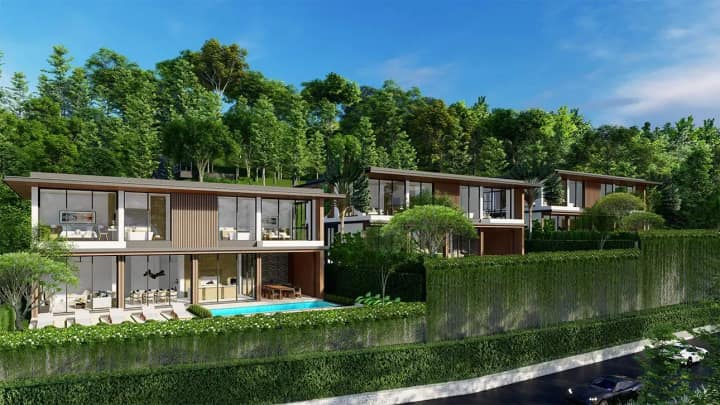
A boutique complex of 9 sea-view villas on a Chalong hilltop — VillaCarte Group’s own project, Phase 1 delivered
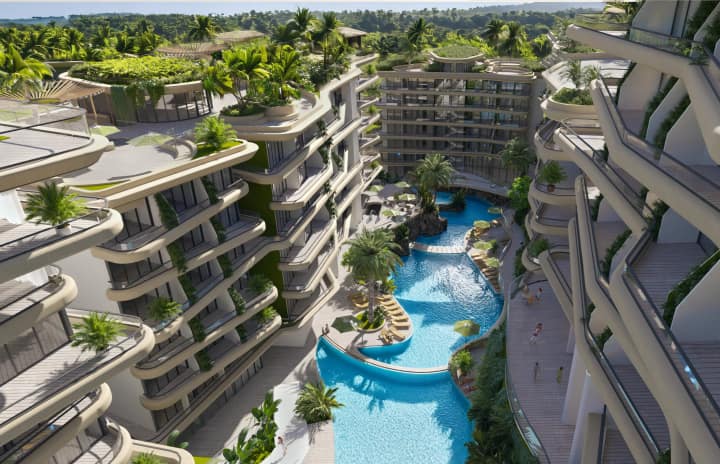
The largest announced complex in the Layan area — 1,368 apartments, completion Q4 2028
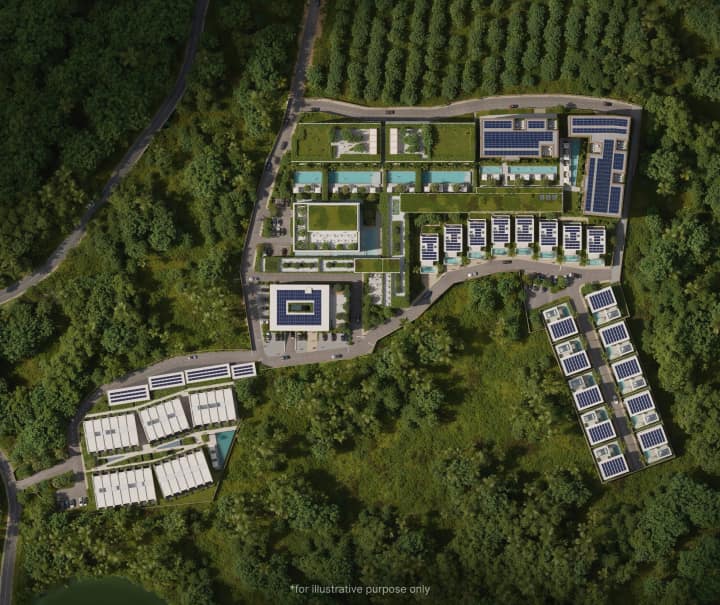
A mixed-use quarter near Layan beach with a green concept from SID
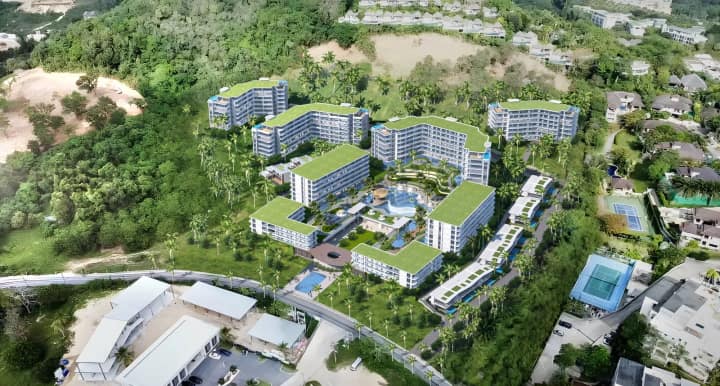
Condos and villas near Layan and Bang Tao: a mixed masterplan, completion 2026–2027
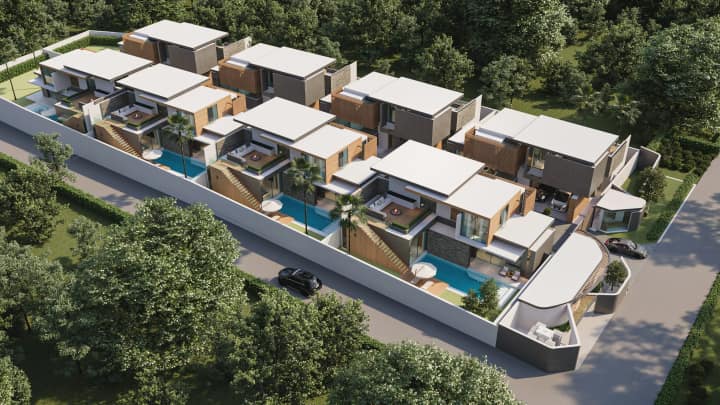
An 8-villa gated estate between Layan and Bang Tao — a private pool at every villa
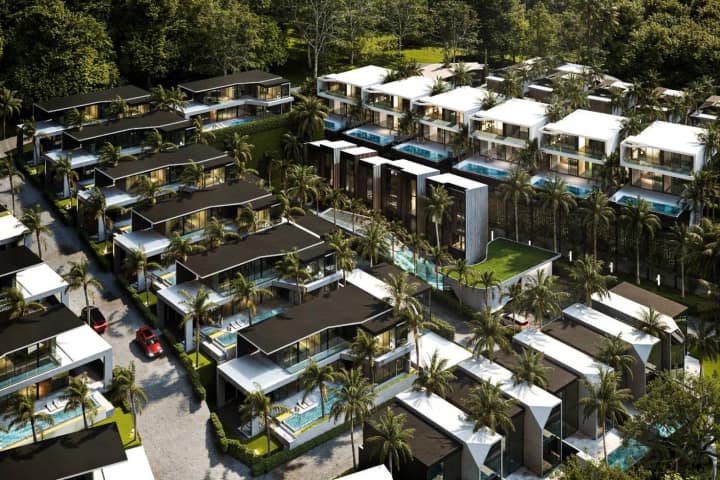
Gated hillside pool-villa estate between Layan and Bang Tao — Phase 1 already occupied
Give us the area, budget and term and we will pass the request to a partner who works with Phuket villas and estates.
This page gives market reference points for long-term rentals in Phuket as of October 2026, compiled from layanre.com materials; it is not an offer of specific units and not financial advice. Layan Real Estate is neither a landlord nor a rental agent: we pass requests to partners, the tenant signs the lease with the partner or the owner, we charge the tenant no commission, and the partner’s terms are disclosed before signing.
Reference points for October 2026: a 2BR villa on a long-term lease is $1,200–2,200 a month, a 3BR+ villa with pool $2,000–4,000 and above, and in Layan and Bang Tao a villa or house with 2–3 bedrooms is $1,500–4,000. A contract for exactly one month in high season costs more than the annual rate.
Yes, a 12-month lease is the market standard alongside a 6-month one. More villas are available, and owners are more open to an annual lease, in April–October once seasonal tenants have left.
Yes. A foreign tenant signs an ordinary lease with the owner or the estate’s management company; leases of up to three years need no registration. The essentials are the lease, a deposit receipt and a hand-over report with meter readings.
The tenant, by meter. For a villa with pool that is $150–350 a month at the PEA state tariff; if the landlord charges 7–10 THB per kWh instead of 4–5, the bill grows one and a half to two times. Fix the rate in the lease as a number.
As a rule, yes: 1–2 months’ rent plus the first month in advance. A furnished villa sometimes has a separate deposit for furniture and appliances. The grounds for withholding and the refund deadline should be in the lease.
By agreement: most often the owner or the estate’s management company arranges it, and the cost is either built into the rent or billed separately. Check in the lease who pays for the gardener, pool cleaning and chemicals.
Seasonal 1–3 month contracts are clearly cheaper from May to October than in winter, when they go up 20–40% and more. Annual rates move less, but owners are more willing to sign a 12-month lease and discount it once the seasonal tenants are gone.
View before paying (in person or on video), sign with the owner or a company with confirmed authority, pay the deposit against a receipt to the owner’s or company’s account rather than a private card, and record meter readings in the hand-over report. Letting the same villa “for the season” to several people is a typical scheme, and a viewing plus document checks is what defeats it.
Take the PDF: developer prices, one-off fees, owner costs and net yield — on the current price list. Or message us on WhatsApp, we reply within 15 minutes.